


Peptides in skincare are short chains of amino acids added to creams to care for the skin. You can recognise many of them in an ingredient list by the letters “peptide” in the name, as in Palmitoyl Tripeptide-38.
In short
- A peptide is a short chain of amino acids, usually between 2 and 50 of them.
- In the European Commission’s CosIng database, the peptides in our creams are listed as skin-conditioning ingredients.
- The number after the hyphen is not a count of amino acids: Tripeptide-38 has three, and the prefix Di, Tri or Tetra tells you how many.
Why are peptides added to creams?
A 2026 review notes that synthetic peptides are increasingly used in cosmetic products. Peptides in skincare are usually grouped by their proposed role into signal, carrier, neurotransmitter-inhibiting and enzyme-inhibitor peptides. Carrier peptides, for example, deliver or stabilise trace elements such as copper and manganese, according to a 2017 review.
In CosIng, all four peptides in our creams’ ingredient lists are recorded with a skin-conditioning function. A 2006 European Commission decision explains skin conditioning as maintaining the skin in good condition.
What does a peptide’s name on the label tell you?
Peptides appear in ingredient lists under their international names. To find many of them quickly, look for “peptide”. The prefix right before it gives the number of amino acids: Di means two, Tri three and Tetra four. Palmitoyl at the start of a name means that a palmitoyl group, which comes from palmitic acid, is attached to the peptide. In these names, the number after the hyphen helps tell ingredients apart and is not a count of amino acids: Palmitoyl Tripeptide-1 and Palmitoyl Tripeptide-38 are two different tripeptides.
Our guide on how to read skincare ingredients goes through a list from the first name to the last.
The ingredient list of our eye cream contains four peptide names:
| Name in the list | What the name stands for |
|---|---|
| Dipeptide-2 | a peptide of two amino acids, valine and tryptophan |
| Palmitoyl Tetrapeptide-7 | a peptide of four amino acids with a palmitoyl group |
| Palmitoyl Tripeptide-1 | a peptide of three amino acids with a palmitoyl group |
| Palmitoyl Tripeptide-38 | a peptide of three amino acids with a palmitoyl group |
The ingredient lists in this article were taken from our product pages on 3 November 2026. For the current list, check the packaging.
Four of our creams with Palmitoyl Tripeptide-38
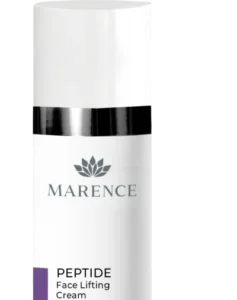
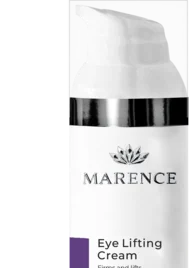
Palmitoyl Tripeptide-38 is in our PEPTIDE, 3K and Anti-Age face creams and in our eye cream. To choose between them, compare where each cream is used, the skin types on its product page and what else is in its ingredient list:
| Cream | Use and skin types | Also in the ingredient list |
|---|---|---|
| PEPTIDE Face Lifting Cream, 50 ml | face, once or twice a day; normal, dry, combination skin | hydrolysed elastin, hyaluronic acid in two forms, Sacha Inchi, jojoba and grape seed oils |
| Eye lifting cream, 30 ml | under-eye area only, morning and/or evening; normal, dry, combination, oily skin | three other peptide names, freshwater green mud extract, hydrolysed elastin, hyaluronic acid in two forms, Sacha Inchi and grape seed oils |
| Anti-Age face lifting cream 3K multimolecular, 75 ml | face, once or twice a day; normal, dry, combination skin | freshwater green mud extract, hyaluronic acid, jojoba and camelina oils, goji berry and Italian helichrysum extracts |
| Anti-Age face lifting cream, 50 ml | face, once or twice a day; normal, dry, combination skin | freshwater green mud extract, hydrolysed elastin, hyaluronic acid in two forms, Sacha Inchi, jojoba and grape seed oils |
Apply the eye cream to the under-eye area only, keeping it out of the eyes. For very dry skin, the page for the 50 ml Anti-Age cream suggests applying a serum first.
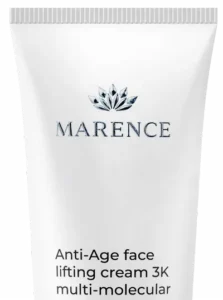
Anti-Age face lifting cream 3K multimolecular, 75 ml
Original price was: 39.97€.11.99€Current price is: 11.99€.
Add to basket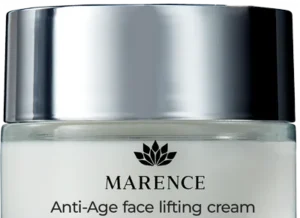
Tip
To see which peptides a cream contains, check its full ingredient list. For these four creams, the list is under the “Ingredients” tab on each product page.
More for the curious: how peptides are built
The amino acids in a peptide are joined by peptide bonds. The glossary of the US National Human Genome Research Institute says a peptide typically has 2 to 50 amino acids. A chain of 51 or more amino acids is called a polypeptide. Proteins are far longer, usually hundreds to thousands of amino acids.
Of the four peptide names in our creams’ ingredient lists, three begin with Palmitoyl, because these peptides carry a palmitoyl group. According to the PubChem database, the amino acids of Palmitoyl Tripeptide-38 are lysine, an oxidised form of methionine and a second lysine.
Several creams in our face creams section contain a peptide. Our eye cream has four peptide names in its ingredient list.
This article is for general information only and is not a substitute for advice from a doctor or pharmacist.